
Zimbabwe Civil Society Decries Violence at PVO Bill Public Hearings
In the latest developments surrounding Zimbabwe’s controversial Private Voluntary Organizations (PVO) Amendment Bill, civil society groups have strongly condemned the violence and disruptions that have marred the ongoing public consultation process.
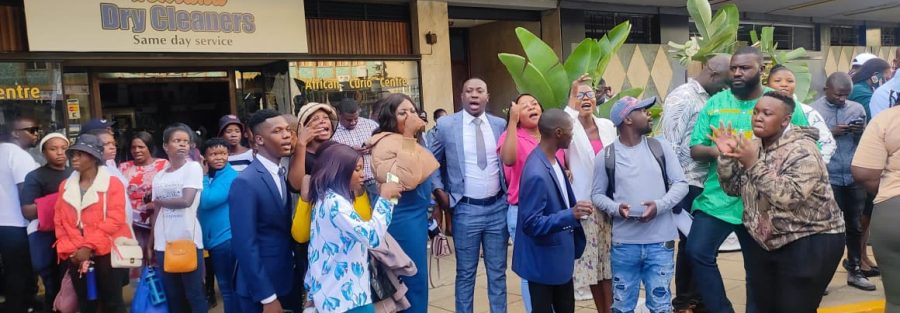
The proposed PVO Bill, which seeks to regulate the operations of non-governmental organizations (NGOs) and other private voluntary groups, has been the subject of heated debate and protest in recent months. However, the public hearings intended to gather citizen input have been plagued by incidents of intimidation, assault, and the apparent mobilization of partisan groups to disrupt the proceedings.
The Zimbabwe Human Rights Association (ZimRights) closely monitored the public hearings from 13-17 May 2024 in several cities, including the capital Harare, as well as Masvingo, Marondera, and Chinhoyi. In a strongly worded statement, ZimRights condemned the “acts of violence and intimidation that disrupted the public hearings,” describing the events as deeply troubling.
“These incidents have raised serious concerns about the safety, credibility, and openness of the public consultation process,” the ZimRights statement read. “Verbal and physical assaults against citizens, including journalists, characterized the hearings, undermining the democratic process and violating fundamental human rights.”
Reports from the hearings indicate that participants in some locations faced barriers to entry due to venue-related confusion, while others witnessed the presence of politically affiliated groups and individuals who appeared to have been mobilized and transported to the venues. This partisan influence, ZimRights argued, “compromises the neutrality and inclusivity of the process, hindering a free and fair exchange of views.”
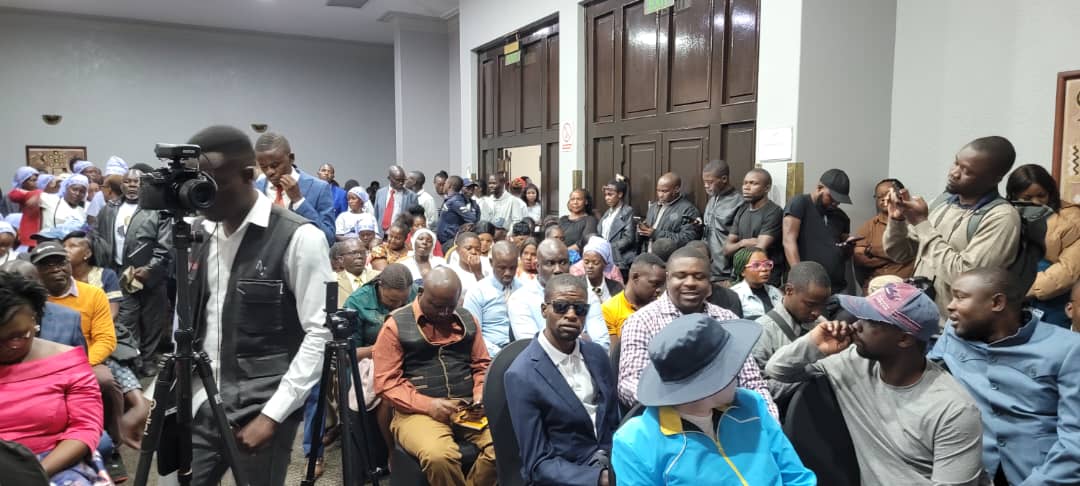
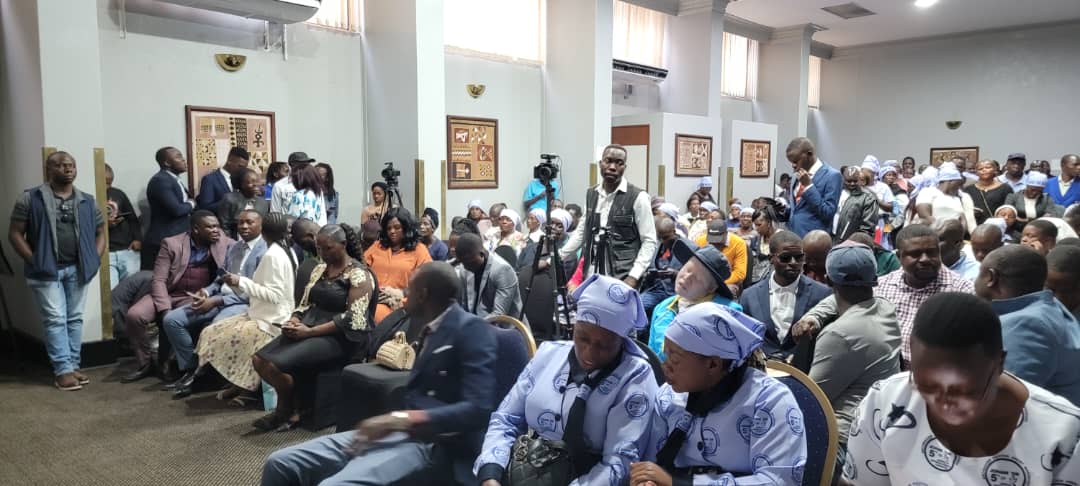
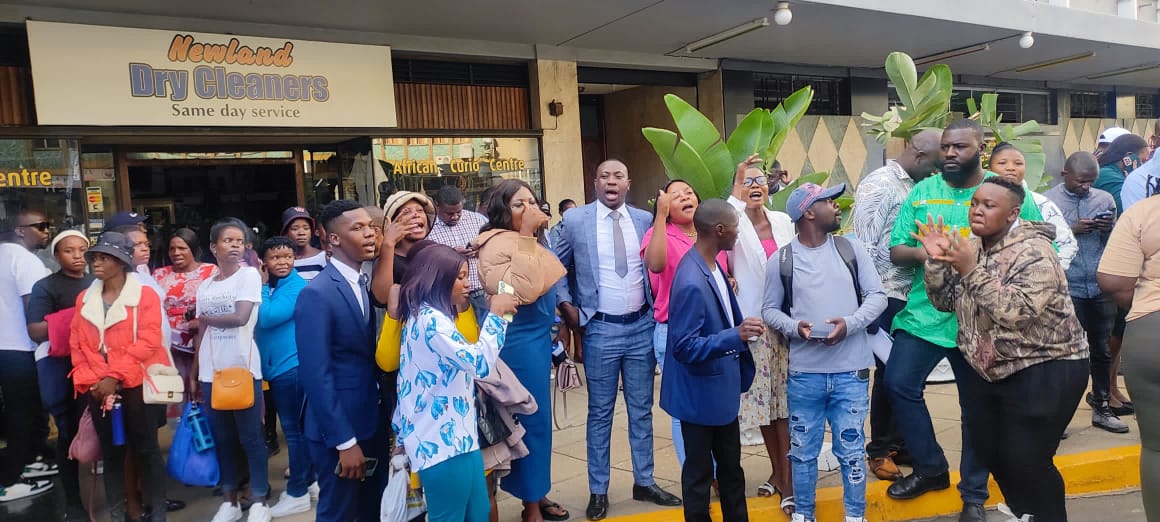
The public hearing on the PVOBILL in Harare, saw a significant number of women, believed to be adherents of the Johane Masowe church, who were reportedly transported to the venue of the hearing at the Ambassador hotel room designated for the event was filled to the brim. Attendees, including children, are seen wearing head coverings branded with the church’s insignia. The space was congested until it was dispruted by suspected ruling party supporters threatened a lone woman who had said she opposed the Bill. These supporters were singing ‘vasingade ngavabude muZimbabwe. Bill redu torida muZimbabwe!’
Also in Gweru, the PVOBill public hearing was abruptly abandoned when the committee of senators, parliamentarians, and parliamentary staff hastily left the Gweru theater. This occurred as suspected youths from the ruling party, who had been disrupting the meeting since its commencement, persisted in their singing both inside and outside the venue.
The right to freedom of expression, as enshrined in Zimbabwe’s constitution, has been a central point of concern for civil society organizations. They maintain that citizens must be able to engage in meaningful dialogue without fear of reprisal, a principle that was reportedly violated you up during the PVO Bill hearings.
In response to the troubling events, ZimRights has called for a swift and transparent investigation into the reported incidents, with those responsible held accountable. The organization has also advocated for the use of neutral venues for future public hearings, increased efforts to publicize the proceedings, and the protection of media freedom to report on the process.
“ZimRights remains dedicated to the protection and promotion of human rights in Zimbabwe,” the statement concluded. “The organization stands in solidarity with those affected by these events and will continue to advocate for a society where every voice can be heard.”
The ongoing controversy surrounding the PVO Bill has become a flashpoint in the broader struggle for civil liberties and democratic space in Zimbabwe, with civil society groups determined to ensure a fair and inclusive legislative process. freedom of expression, as enshrined in Zimbabwe’s constitution, has been a central point of concern for civil society organizations. They maintain that citizens must be able to engage in meaningful dialogue without fear of reprisal, a principle that was reportedly violated during the PVO Bill hearings.