

Human Rights Investigation Mission Report: Epworth Land Occupation & Regularization Scandal
Introduction
The Zimbabwe Human Rights Association (ZimRights) on 29 February 2024 conducted a comprehensive human rights investigation in Epworth, Harare, to assess the state of land occupation and regularization issue and verify the alleged violations within the community. This report aims to shed light on the challenges faced by residents and the systemic issues that undermine their right to shelter.

Background
Epworth, since the year 2000, has witnessed a complex history of land occupation and regularization. Initially, many settlements were informally occupied, leading to eviction orders in 1997. However, subsequent developments took place. These included;
Occupiers’ Cards Demand (2001): In 2001, informal settlers gathered at the Epworth local Board offices, demanding occupiers’ cards for voting. The Ministry of Local Government intervened, resulting in the issuance of these cards to the settlers in December 2001. This move was in anticipation of formalizing the occupied settlements.
Monthly Rates Payment (2001): Despite lacking essential services from the council, informal settlers began paying monthly rates as a sign of their commitment to the community.
INSITU Program (2010): Following the 2008 harmonized elections, the council, led by elected councillors, decided to regularize the informal settlements through the INSITU Programme. They started with ward 7, enumerating family households that had already settled (those who received occupiers’ cards in 2001).
Key Findings
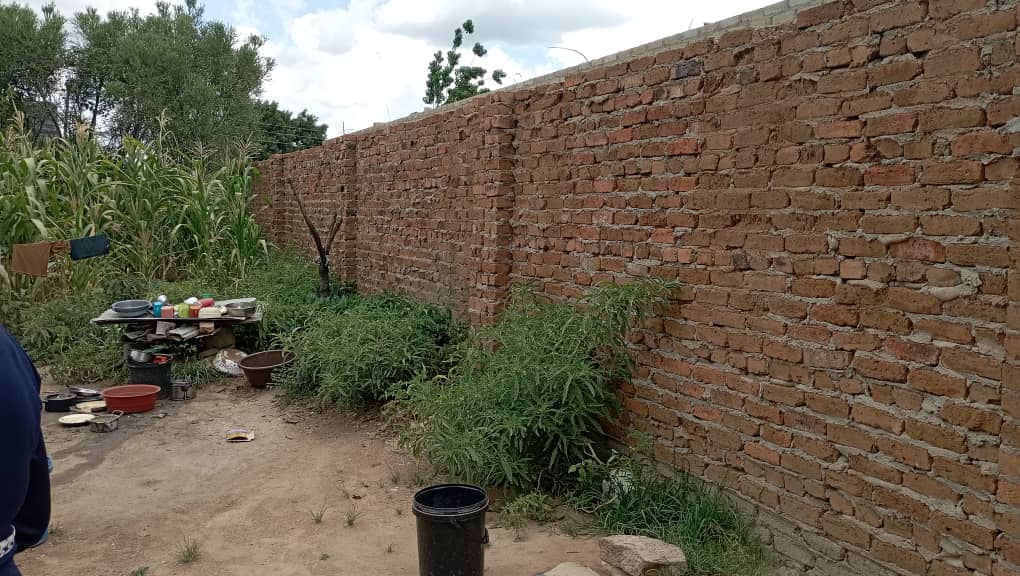
Disputed Land Allocation: Our investigation revealed that stands initially issued to beneficiaries of the INSITU Development program in wards 5, 6, and 7 were sold and allocated to non-beneficiaries. This approach of land allocation undermines the rights of those who genuinely settled in the area. According to Zimbabwe’s Vision 2030, Rights-Based Approach: SDG 11 it emphasizes the importance of respecting human rights, including the right to housing and land.
Zimbabwe’s Vision 2030 aligns with the global sustainable development plan. It aims to achieve a “Prosperous and Empowered Upper Middle-Income Society by 2030.” Housing delivery is a critical component of Vision 2030.
Violation of Right to Shelter: The actions of the Epworth local Board have violated the right to shelter as enshrined in the constitution of Zimbabwe section 28, which states that the state and all institutions and agencies of government at every level must take reasonable legislative and other measure, within the limits of the resources available to them, to enable every person to have access to adequate shelter. Residents, despite paying rates, continue to live in fear of displacement due to irregular land allocation and administrative malpractice.
Residents who spoke to ZimRights reported that they are being forcibly evicted from their original homes and allocated stands against their will. According to one resident, a 74 -years -old widow said, ” I was informed that I must vacate my house and move to my neighbor’s stand. Meanwhile, my neighbor will be assigned another stand elsewhere. This situation is not only unfair because of my age, but I also cannot abandon the structure I painstakingly built with my hard-earned money to move to an empty piece of land that belongs to my neighbor, who has not yet constructed anything,” she said.
John Mabwe, the Coordinator and Spokesperson for Kushinga Epworth Residents Trust, highlighted that human rights violations in Epworth disproportionately affect orphans, widows, widowers, and elderly individuals. He emphasized that addressing these violations requires not only ZimRights assistance but also the involvement of the Minister of Local Government, Urban, and Rural Development. Mabwe urged the fact-finding team to extend their investigation and make meaningful decisions.
Kushinga Epworth Residents Trust, is a registered organization under Notarial Deed Protocol M 2140/2020, which was established to represent the community’s interests.
Mabwe further added that they have taken legal action by approaching the courts to compel the local authority to adhere to governing laws. Despite this, there are conflicting documents from the Epworth Local Board that contradict the regularization of land as stipulated by the law.
ZimRights’ human rights monitors visited the Epworth Local Council and engaged with Chief Executive Officer Milton Mhanda who denied allegations of selling stands to non-beneficiaries or engaging in similar activities. When pressed for further information, Mhanda remained tight-lipped.
Recommendations:
Community Consultations and Participation:
The Epworth Local Board should actively engage with the community during land allocation decisions. Regular town hall meetings, workshops, and open forums can provide a platform for residents to voice their opinions, concerns, and preferences.
Prior to any land allocation, the board should seek input from residents, including their specific requirements and preferences. This ensures that the allocation process is informed by the actual needs of the community.
By involving residents in the decision-making process, the board can build trust, foster transparency, and create a sense of ownership among community members.
Additionally, when land is allocated or redeveloped, the local board should consider the following steps to prevent homelessness and provide alternatives for affected residents.
Relocation Assistance and Housing Alternatives:
Before any land development or eviction, the board should assess the impact on existing residents. Those facing displacement due to land allocation changes should be provided with adequate notice.
The local board should collaborate with social services, NGOs, and housing agencies to offer relocation assistance. This may include financial support, temporary housing, or assistance in finding alternative accommodation.
Efforts should be made to ensure that residents are not left homeless. Alternative housing options, such as low-cost rental units or community housing, should be explored.
Accountability and Justice: Those responsible for the irregular land sales must be held accountable. Justice should prevail for the affected residents who have faced displacement and uncertainty.
Conclusion
This investigation found out that whilst Epworth Residents are informally settled they are entitled to their right to shelter which the government of Zimbabwe is mandated to protect. In this light ZimRights recommends multi- stakeholder engagement between the ministry of lands, Epworth local board and the residents.
ZimRights remains committed to advocating for human rights and ensuring that every Zimbabwean enjoys the fundamental right to shelter. The Epworth case underscores the need for systemic reforms and genuine commitment to the well-being of our citizens.